Smart Online Store Setup UK: A Practical Guide for Lancashire Businesses
Getting Started with Your E-Commerce Journey
Setting up an online store that actually works for your business is more than just picking a platform and listing products. Over the years, I have helped small and medium businesses across Lancashire and Burnley build e-commerce sites that generate real sales. The process involves careful planning, the right technology choices, and a focus on what matters most to your customers. In this guide, I will walk through the key steps for a successful online store setup UK, drawing on lessons learned from real projects.
Choosing the Right E-Commerce Platform
The platform you choose sets the foundation for everything else. For a UK small business, the decision often comes down to how much control you need versus how much you want to be up and running quickly. WooCommerce, built on WordPress, gives you immense flexibility. You can customise almost every aspect of your store, and it integrates well with local SEO plugins, Google Analytics, and payment gateways like PayPal and Stripe. However, it does require more ongoing management - hosting, updates, and security are your responsibility.
Shopify, on the other hand, is a hosted solution that handles most of the technical heavy lifting. It is a strong choice if you want a straightforward online store setup UK experience with minimal fuss. The trade-off is that you pay monthly fees and have less control over the underlying code. For many Lancashire businesses, especially those just starting out, Shopify provides a reliable path to market. BigCommerce is another hosted option worth considering, particularly if you expect high volumes of traffic and need built-in features without relying on too many third-party apps.
Magento, now known as Adobe Commerce, is powerful but often overkill for small to medium operations. I have seen Burnley-based businesses struggle with its complexity and cost. Unless you have a dedicated developer or a very large catalogue, Magento is usually not the best fit. WordPress paired with WooCommerce remains my most recommended combination for businesses that want long-term flexibility and strong local SEO potential.

Domain Name Registration and Web Hosting
Your domain name is your digital address. Choose something short, memorable, and relevant to your brand. If you operate in Lancashire, including the county name or your town might help with local recognition, but keep it simple. Domain name registration is inexpensive, so secure a .uk or .co.uk domain as soon as you decide on a business name.
Web hosting is where many new store owners make mistakes. Cheap shared hosting can cripple your site speed and reliability. For an e-commerce site, you need a host that offers good performance, an SSL certificate included in the plan, and support for your chosen platform. An SSL certificate is non-negotiable - it encrypts customer data and builds trust. Look for hosts with UK-based servers; it helps with site speed optimization for your local audience in Lancashire and across the UK.
Mobile-First Design and Responsive Web Design
More than half of all online purchases in the UK now happen on mobile devices. If your online store is not optimised for smaller screens, you are losing sales. Mobile-first design means starting the design process with the mobile experience in mind, then scaling up to desktop. Responsive web design ensures your layout adapts smoothly to any screen size. These are not optional extras - they are essential for user experience and for ranking well in search results.
I once worked with a gift shop in Burnley that had a desktop-only site. After switching to a responsive design, their mobile conversion rate doubled within two months. The fix was not complicated: larger buttons, simplified navigation, and faster loading images. That kind of improvement is typical when you prioritise mobile users from the start.
Payment Gateways: PayPal and Stripe
Customers need to pay easily and securely. PayPal is widely trusted in the UK and offers a familiar checkout experience. Stripe is a developer-friendly option that lets you customise the payment flow and accept credit cards directly on your site. Both integrate smoothly with WooCommerce, Shopify, and BigCommerce. I typically recommend offering both options to give customers choice. Make sure your payment provider is registered with the Financial Conduct Authority if required, and always ensure GDPR compliance when handling customer data.
Local SEO and Google Analytics
For a Lancashire business, local SEO is the difference between being found by customers in Burnley and being invisible. Your online store setup UK should include optimising for local search terms, claiming your Google Business Profile, and getting listed in local directories. Google Analytics is essential for tracking where your traffic comes from and how users behave on your site. Set it up from day one, otherwise you will have no baseline to measure improvements against.
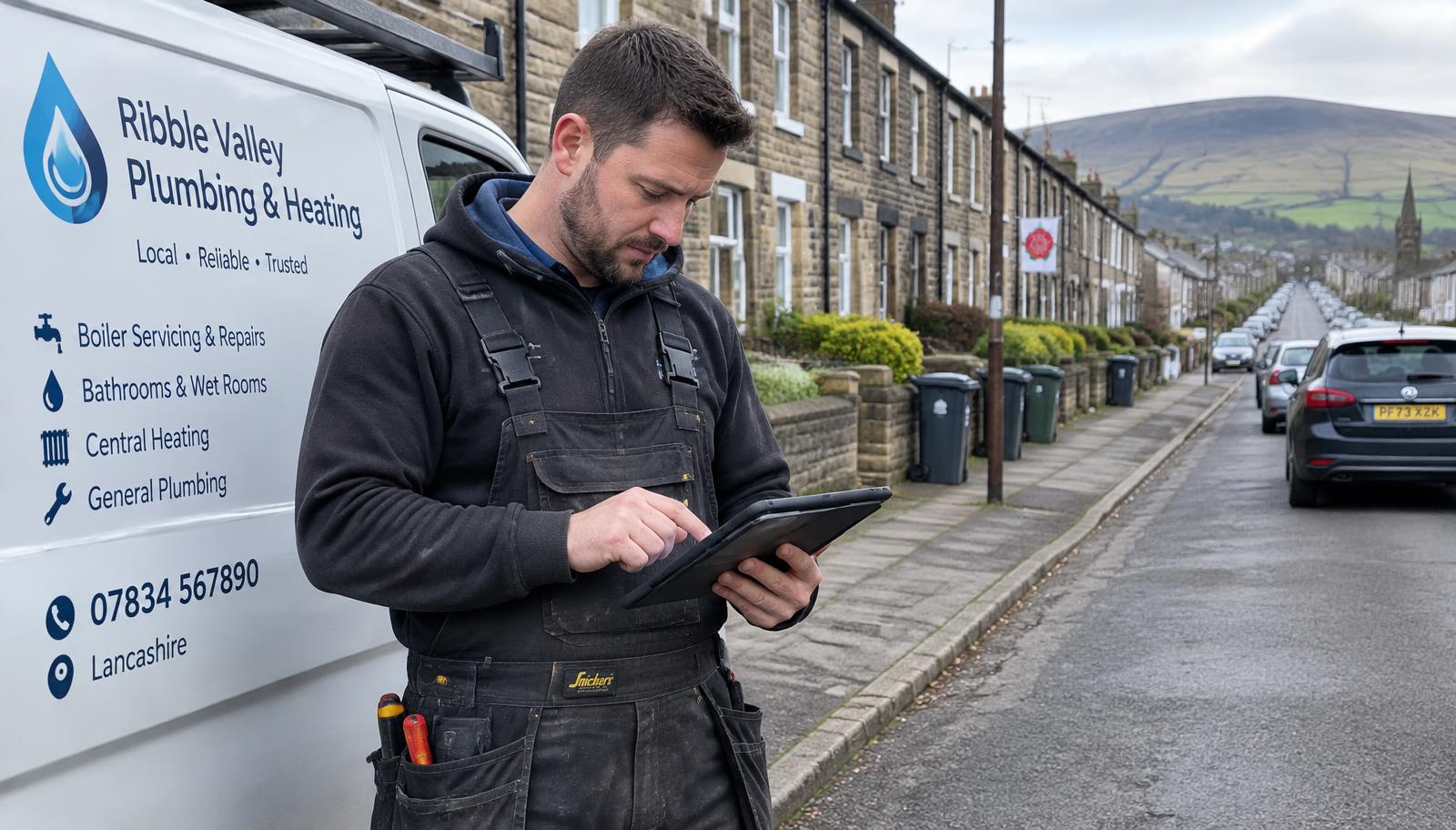
I have seen many store owners skip this step and then wonder why their sales are flat. Without data, you are guessing. Use Google Analytics to identify which products are popular, which pages have high bounce rates, and where your best customers are located. That information guides everything from marketing spend to product range decisions.
Site Speed Optimization and GDPR Compliance
Site speed optimization directly affects your conversion rate. A one-second delay in page load time can reduce conversions by 7%. Compress images, use a content delivery network, and minimise the use of heavy plugins. For e-commerce, every millisecond counts. GDPR compliance is another critical area. You must have a clear privacy policy, obtain consent before collecting cookies, and provide a way for users to request deletion of their data. This is not just a legal requirement - it builds trust with your customers.
Practical Steps for a Successful Online Store Setup UK
Let me share a simple framework I use with clients in Burnley and across Lancashire. First, define your product catalogue and decide on your e-commerce platform. WooCommerce, Shopify, or BigCommerce - choose based on your budget and technical comfort. Second, secure your domain name and reliable web hosting with an SSL certificate included. Third, design your store with mobile-first design principles. Fourth, set up payment gateways - PayPal and Stripe are a solid combination. Fifth, install Google Analytics and configure local SEO basics. Sixth, test everything thoroughly before launch. Seventh, plan for ongoing maintenance, including security updates and content refreshes.
Many business owners rush through these steps, especially when they are excited to start selling. But skipping any one of them creates problems later. I have seen stores that launched without proper SEO struggle to get any organic traffic for months. I have also seen stores that neglected site speed lose customers to competitors with faster loading pages.
Common Pitfalls to Avoid
One mistake is choosing a platform based on what a friend uses rather than what fits your business. Another is underestimating the time needed for product photography and descriptions. Good images and clear copy sell products far better than stock photos and generic text. Also, do not ignore the legal side. GDPR compliance, terms and conditions, and return policies must be in place before you take your first order.
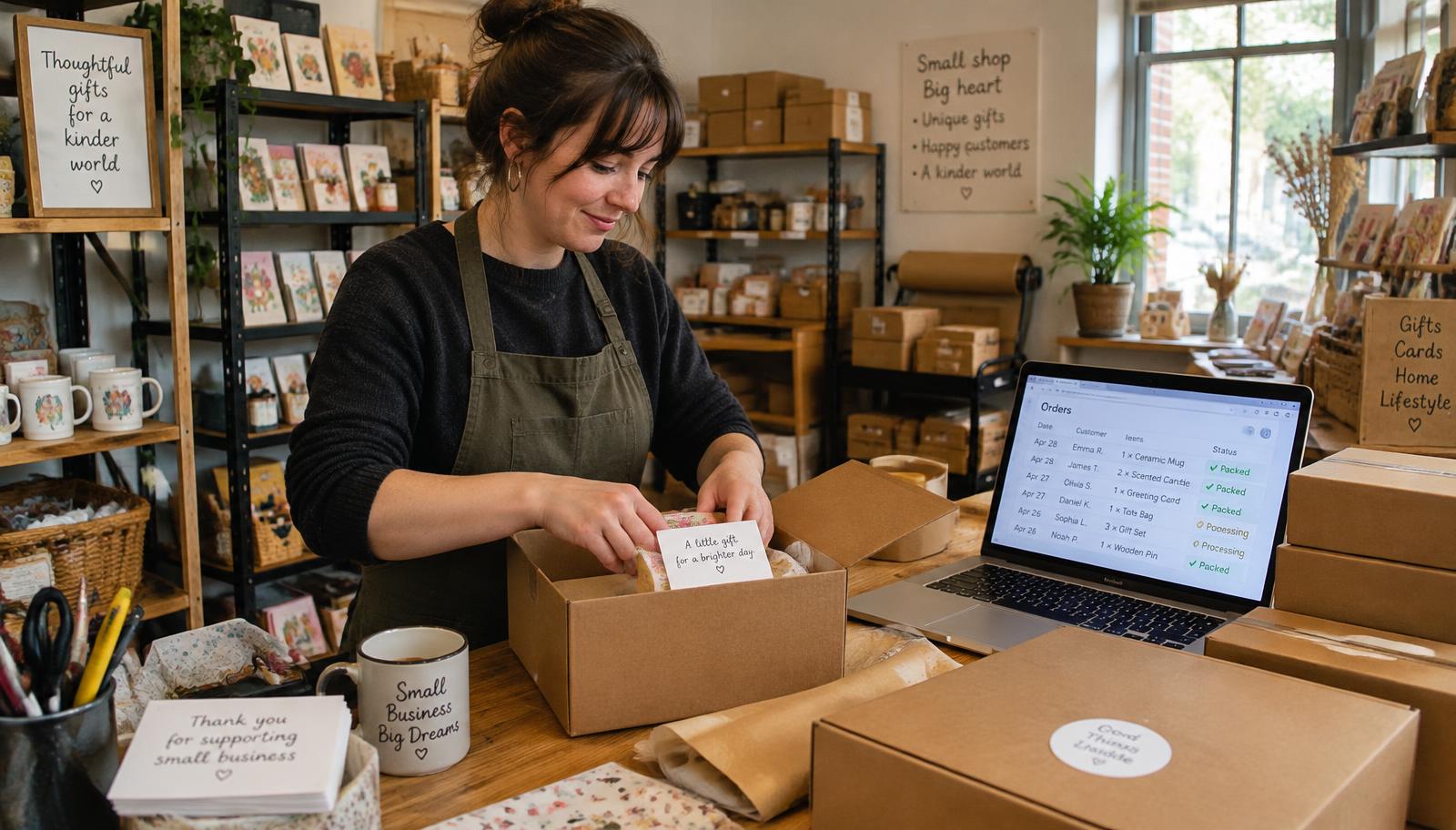
I also advise against overcomplicating your store at launch. Start with a clean, simple design and add features as you learn what your customers need. You can always expand later. A cluttered site with too many pop-ups and widgets often drives visitors away.
Final Thoughts
Building an online store that works for your Lancashire business takes thought and effort, but it is entirely achievable. Focus on the fundamentals: a reliable platform, fast hosting, mobile-friendly design, secure payments, and local SEO. Avoid the temptation to do everything at once. Launch a solid version of your store, gather feedback, and iterate. The online store setup UK process is not a one-time project - it is the beginning of an ongoing relationship with your customers. Get the foundation right, and you will have a platform that grows with your business.